
Media Amidst Disasters: Are we getting used to the violence on screen?
- unionrelations
- Mar 19, 2022
- 1 min read

Updated: Apr 6, 2022
Reflecting on image culture and desensitization
Understanding the prevalence and significance of image culture is important in society, considering the bombardment of media, advertisements, and disaster images.
Rosen’s research expresses how disasters are documented in a repetitive manner, and for the average viewer, it shapes our lens of the world around us through capturing our attention by evoking emotions.

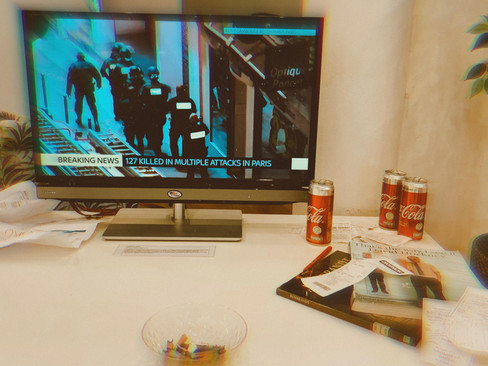


Exposure to media has psychological effects: whether it be the heartbreaking prevalence of death during the COVID-19 outbreak, or the coverage on hate crimes, war, and documentation of thousands gathering to protest or protect the lives of minorities. The discussion of the extent to which we're desensitized is an important topic of research within the Media and Communication field.
Image culture ties in closely with the exploration of images presented in media, and on our (many) screens. Beyond the coined term of disaster images, which entails negative, war, crime or violence, generally, images pushed forth by the media have become helpful and harmful. Though visuals have aided in our communication and the development of interpersonal connections, the article talks honestly about addiction, relating to how we constantly want more easily-processible, quick, and stimulating visuals – as opposed to actively focusing our attention on one task at hand.



it’s so troubling to see the repetitive disaster images and it’s interesting to see the research behind the psychology of media
This is so interesting